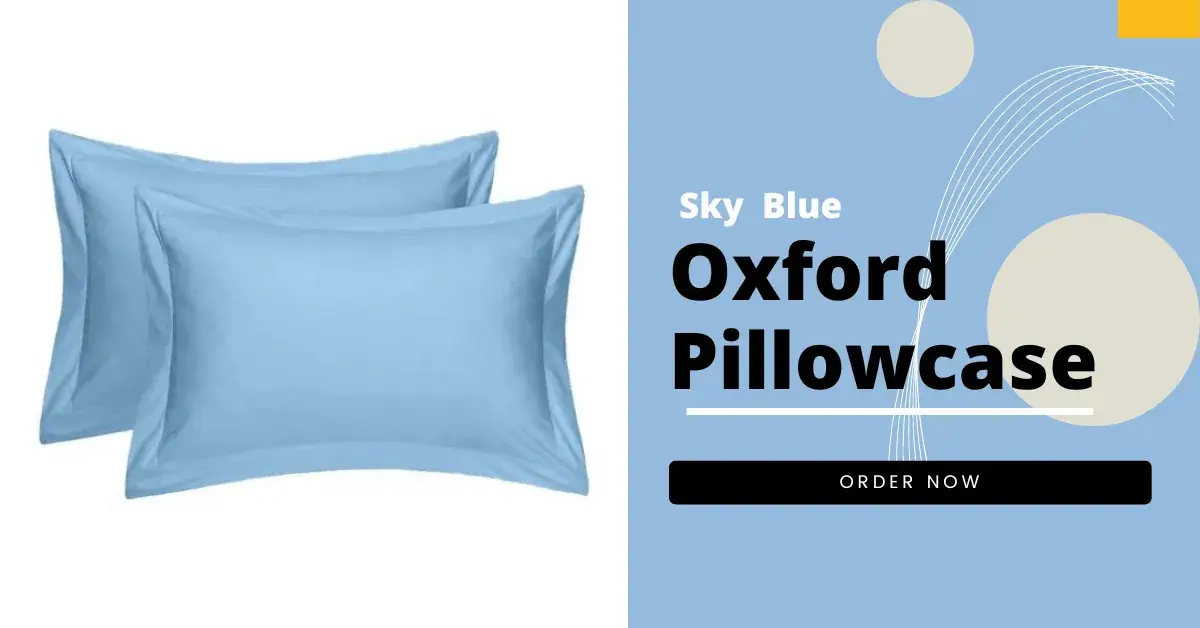
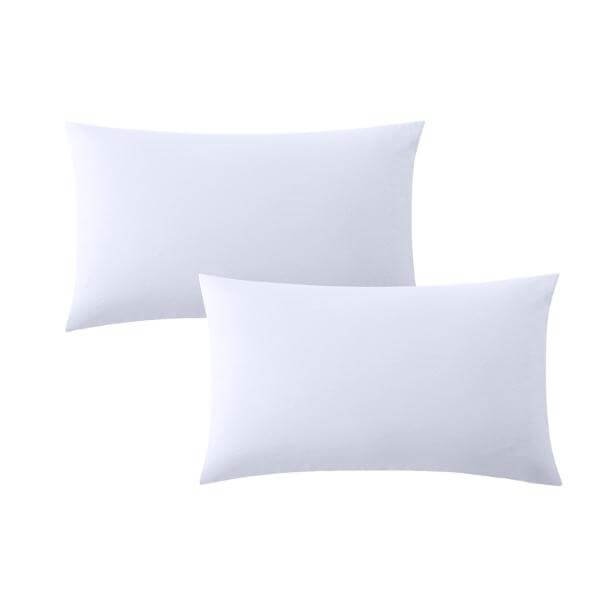
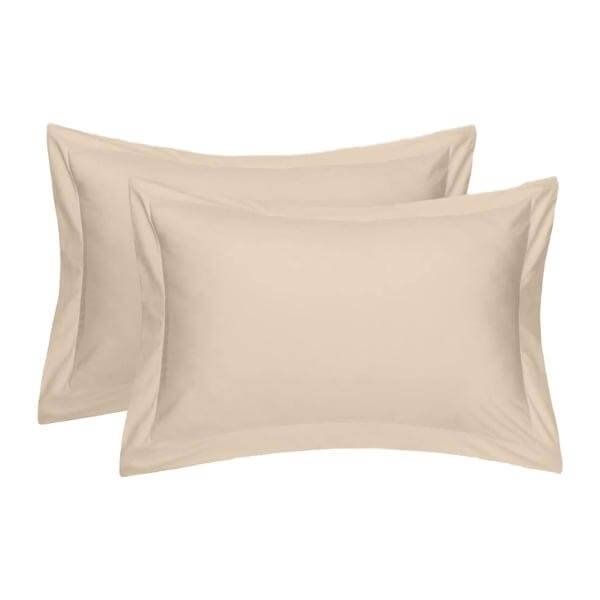
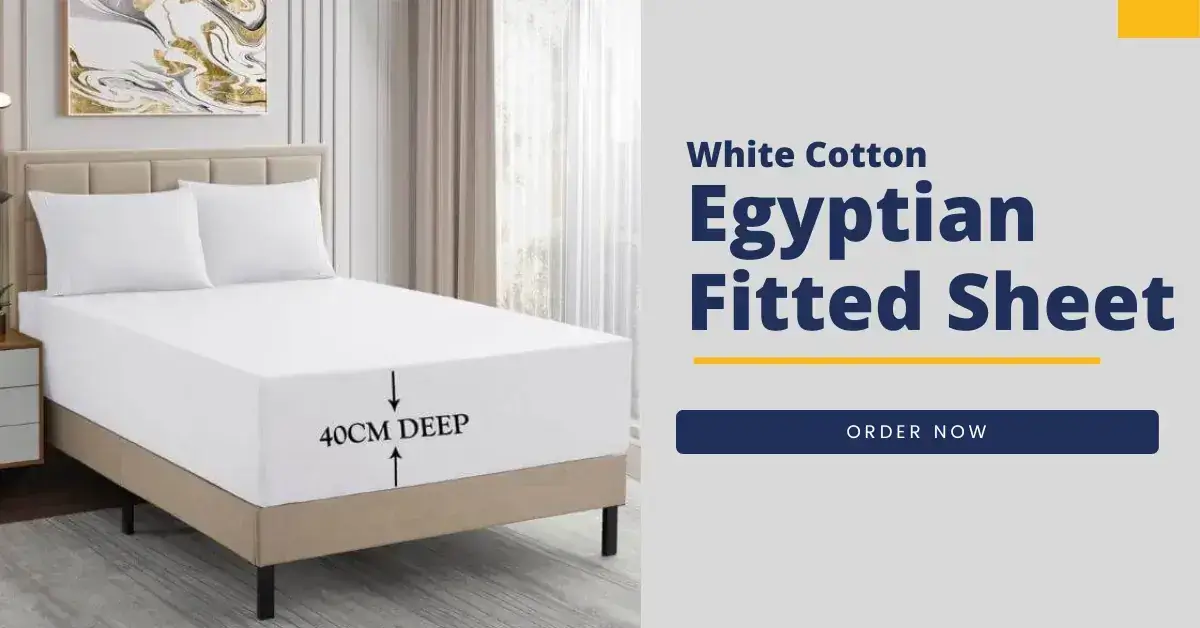
Getting a good night’s sleep enables you to awaken rested and prepared to take on the day. That’s why Cotton comfort bedding is offering the Egyptian cotton oxford pillowcases in wide variety and vibrant colors like navy blue, grey, indigo and purple. Unbelievably, the types of pillowcases you use on your bed have an impact on how well you sleep. You can fall asleep and remain asleep with the right pillowcases. Additionally, they won’t interfere with the deeper stages of sleep that the body uses to repair and restore itself during the night.
In this post, we’ll examine the best sorts of pillowcases to buy in order to enjoy the best possible sleep.
Impact on Sleep
The annual cost of sleep research is in the millions. These are intended to find out what things people can do to sleep better and wake up feeling more rested.
It turns out that both objectives are greatly aided by the chilly air in your chamber. According to the Sleep Foundation, sleeping in a room that is heated to 65 degrees Celsius will almost certainly result in greater sleep.
Heat from your head is absorbed by your pillow. possibly less than common myths claim (many were raised to believe we lose 40 percent of our body heat throughout the head). However, it’s still a considerable sum. If you sleep on a pillow that retains heat, the warmth is transferred back to your skin’s surface.
FAQs
The drawbacks of cotton pillowcases include its propensity to shrink and wrinkle after washing. Although it is pricey, many people believe Egyptian cotton to be the greatest and softest in the world. Just loosely woven cotton is what flannel is, yet it’s warmer and softer.
1 yard, One Standard size pillowcases may typically be made out of 1 yard of fabric. Go for 2 yards if you’re creating two pillowcases, and add one yard at a time if you’re making more. The width of the fabric will have some bearing on this. You might be able to use less yards if the fabric is really wide.
.
Three factors have been gathered for you to think about while purchasing your next set of pillowcases.
First, fabric. Pillowcases are composed of a wide variety of textiles, both natural and synthetic, much like sheets are. After choosing your pillowcase fabric, you should consider the size of your pillowcases, shams, and closures.
Eight hours divided by seven days is equal to 56 hours of use; even if you don’t perspire or have oily hair, that much ‘wear’ justifies washing the sheets in the same load as the rest of the bedding.